18 months – 3 years
Playgroup
- Sensory and messy play
- Songs, rhymes and story time
- Gross-motor play: climbing, dancing, ball games
Why the early years matter: 8 benefits of playschool for social skills, language, confidence and school readiness — from Uplearning Playschool, Davao City.
The first five years are a time of amazing growth. Every song, game and new friend helps your child’s brain make connections that support learning, behaviour and wellbeing for years to come. A caring playschool gives children rich, everyday experiences to make the most of this special window — alongside everything they learn at home.
Here’s what children gain when they start playschool in a warm, play-based setting.
Children learn to share, take turns, work together and make their very first friends.
Songs, stories and conversations every day grow vocabulary and the confidence to speak up.
Little jobs — packing a bag, washing hands, choosing an activity — build a proud “I can do it!”
With gentle guidance, children learn to name feelings, cope with change and show kindness.
Playful phonics, counting games and puzzles lay the groundwork for reading and maths.
Climbing, dancing, painting and building strengthen big and small muscles and coordination.
Hands-on discovery teaches children that learning is fun — an attitude that lasts a lifetime.
Routines, listening skills and group experience make the move to Kindergarten and Grade 1 easier.
Each of our programs focuses on what matters most at that age.
18 months – 3 years
3 – 4 years
4 – 5 years
5 – 6 years
There’s no single “right” age. Many children are ready for short, gentle sessions from around 18 months. What matters most is a warm, unhurried setting where little ones can settle at their own pace — which is exactly what our Playgroup is designed for.
Home is a child’s first and most important classroom. Playschool adds things that are harder to recreate at home: daily play with children their own age, new routines, and activities planned by trained early-childhood teachers. The two work best together.
Play is how young children learn. Building, pretending, painting and singing develop language, early maths, problem-solving, fine motor skills and friendships. Our teachers plan each activity with a learning goal in mind.
Tears in the first days are normal and usually short. We follow a gentle settling-in plan, keep goodbyes short and loving, and update you so you know how your child is doing once you’ve left.
You’ll see it at home — new words, songs, more independence and new friends to talk about. We also share regular updates on what your child is learning and enjoying.
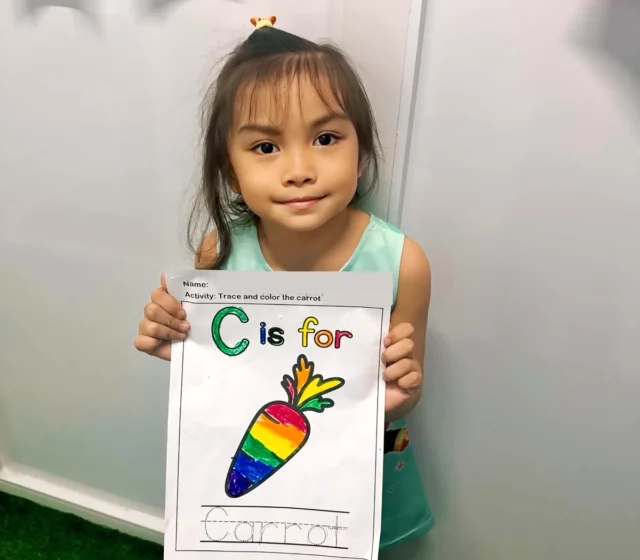
Benefits come from the everyday details. Here’s how we make sure every child gets them.
Tell us a little about your child and when you’d like to visit. We’ll call or message you to confirm.